
Loading...
Serving Normal, IL and surrounding areas. (309) 791-9230
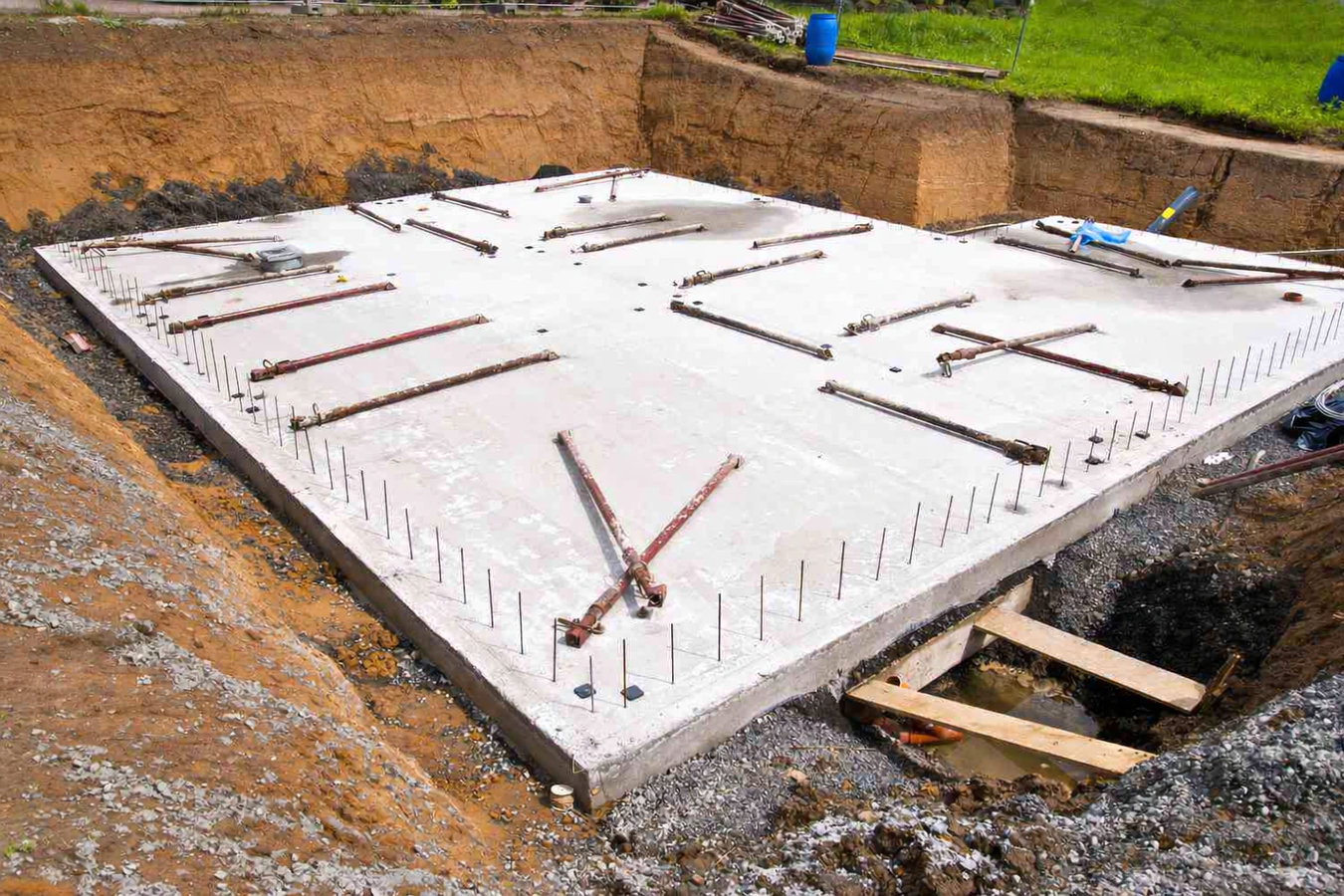
Give your deck, addition, or outbuilding a foundation that handles Normal winters - properly permitted, inspected, and dug to the right depth every time.
Concrete footings in Normal are the buried base that holds up decks, porches, additions, and outbuildings - they must be dug at least 36 inches deep to get below the frost line, and most residential projects are completed in one to two days of active work plus a curing window of several days.
Without a footing dug to the right depth, the ground freezing and thawing through a Normal winter will push the structure up and then let it settle unevenly - and once that movement starts, it does not stop on its own. Older homes in Normal are especially vulnerable: a large share of the housing stock was built between the 1950s and 1980s, when footing depth requirements were less strict than they are today. If you are adding a deck or an outbuilding to one of those homes, you likely need new footings designed to current standards. For larger structural projects, we also install complete foundation installation when the scope goes beyond individual footings.
If you can see a gap opening between your deck or porch and the house wall, or the structure feels springy when you walk on it, the footings underneath may have shifted. In Normal, this often happens after a winter with heavy freeze-thaw cycling, which pushes shallow footings up and then lets them settle unevenly. A footing that has moved once will keep moving.
Diagonal cracks from the corners of windows or doors, or stair-step cracks in a garage floor or basement wall, can signal that a footing below has settled unevenly. Cracks wider than a pencil tip or that are growing over time deserve a professional look. Catching this early is far less expensive than waiting until the movement becomes structural.
Fence posts set without proper concrete footings are especially vulnerable to Normal's clay soils, which swell and shrink with moisture. If your posts are leaning or rocking when pushed, the footing has likely failed. Resetting posts with properly sized footings is a straightforward fix, but it needs to be done before the lean gets worse and damages fence panels.
Older Normal homes were often built to footing standards that do not meet today's requirements. If you are adding anything that will bear weight - a deck, sunroom, or detached garage - you will need new footings that meet current depth and size standards. Starting without addressing this is the most common reason additions fail within 10 to 15 years.
We install concrete footings for decks, porches, additions, detached garages, outbuildings, fence posts, and any other structure that needs a stable buried base in Normal. Every footing we dig goes to at least 36 inches - the local frost depth - and is sized for the load it will carry. We call 811 before any excavation begins, which is required by Illinois law and protects your property from accidental damage to underground utilities. When a project also calls for a full structural base, we connect the footing work directly to our foundation installation scope so the entire load path is handled consistently.
For larger or more complex projects - commercial properties, multi-unit buildings, or structures with heavier point loads - we design the footing width and depth to match the actual load and the bearing capacity of the local clay soil. Normal's mid-century housing stock is a particular focus: when homeowners in older neighborhoods add onto their homes, we assess what existing footings are already there before designing anything new, so the addition does not perform differently from the rest of the structure. Every project we take on is permitted and inspected through the Town of Normal.
Suited for residential decks and porches where individual post footings are required at each structural support point.
For homeowners adding living space or a detached garage, where continuous footing or a stepped layout is needed to match existing structures.
A practical fix for leaning or failed fence posts, using properly sized concrete footings sized to resist Normal's clay soil movement.
For small commercial or multi-unit properties requiring engineered footing designs with specific load and soil bearing requirements.
The ground in Normal freezes to a depth of about 36 inches in a typical winter. Any footing that does not reach that depth is at risk of being pushed up by frost heave - the natural expansion of frozen soil. Normal also averages around 100 or more freeze-thaw cycles per year, meaning the ground repeatedly freezes and thaws throughout late fall, winter, and early spring. Each cycle puts stress on any concrete that was not properly placed and cured. On top of the freeze-thaw risk, McLean County soils carry a significant clay content that expands when wet and contracts when dry - a cycle that puts additional lateral pressure on buried concrete over every season.
A large share of Normal's housing stock was built in the 1950s through 1980s, when footing depth requirements were less strict than they are today. Homeowners adding to those homes often discover the existing footings are not deep or wide enough to support a modern addition. We serve homeowners across the area, including those in Bloomington and as far out as Pontiac, where the same soil conditions and frost depth requirements apply. Local knowledge of how the ground here actually behaves is not optional - it is what separates a footing that holds for 40 years from one that fails in five.
We come to your property, describe what you are building or what problem you have noticed, and give you a written scope with a clear price. We do not quote over the phone without seeing the site - accurate pricing requires seeing the soil, access, and scope in person. Replies within one business day.
We submit the building permit application to the Town of Normal's Building and Development Services office before any excavation begins. The permit process typically takes a few business days to a week. You do not need to contact the permit office - we handle it entirely.
We mark footing locations, call 811 to locate underground utilities as required by Illinois law, then dig to the required depth - at least 36 inches in Normal. Forms are set and steel reinforcing rods placed before the pour. The work area will look messy during this phase - that is normal.
Concrete is poured into the forms and leveled. A town inspector visits to verify depth and placement before or immediately after the pour. After several days of curing, we strip the forms, backfill the excavation, and clean up the work area. You receive a copy of the passed inspection for your home records.
We provide written estimates, pull the Town of Normal permit, and reply within one business day. No sales pressure - just clear answers about your project.
(309) 791-9230Normal's frost line is around 36 inches, and we dig to that depth on every residential footing project - no exceptions. A footing that is even a few inches too shallow is at risk of frost heave, and once a footing moves, the structure above it moves too.
A significant share of Normal's housing was built in the 1950s through 1980s under footing standards that do not meet today's requirements. Before designing anything new, we assess what is already there so your addition performs as well as the rest of the home - and does not become a problem for the next owner.
Illinois law requires a utility locate call before any digging, and we make that call on every job. Gas, electric, and cable lines in older Normal neighborhoods can run in unexpected directions. Locating them before the excavator hits the ground is how we protect your property and keep the project on schedule.
We pull the permit and coordinate with the Town of Normal inspector before any pour - you do not need to visit the permit office or track down inspection records. When the job is done, you have documented proof the work was verified independently. The Town of Normal Building and Development Services requires this inspection on most footing projects, and that documentation matters when you sell your home.
Depth, soil knowledge, utility safety, and a clean permit record - these are the things that separate a footing that holds for decades from one that creates problems within a few seasons.
Lift and level a settled foundation or slab using professional raising techniques before the movement causes further structural damage.
Learn moreComplete foundation installation for new construction or additions where the scope goes beyond individual footings to a full structural base.
Learn moreNormal's warm-weather construction window fills up fast - contact us now to lock in your project date and avoid pushing into next year.