Loading...
Serving Normal, IL and surrounding areas. (309) 791-9230
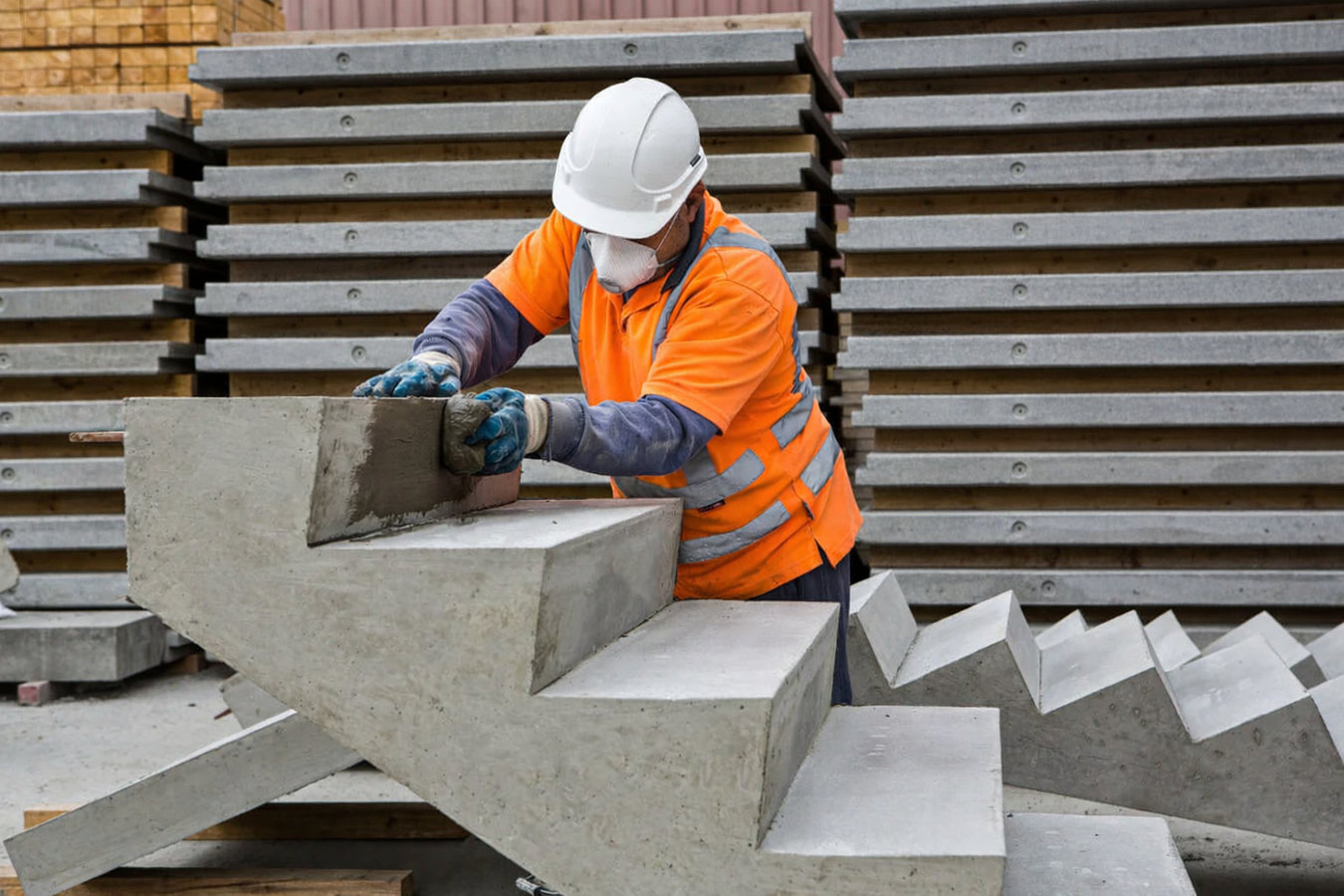
Replace cracked, tilting, or aging front steps with properly built concrete stairs - reinforced, graded, and ready for Normal winters.
Concrete steps construction in Normal involves breaking out and removing old steps, preparing a compacted gravel base, building wooden forms, and pouring reinforced concrete - most residential step projects take one to two days of active work plus a curing period before the entry is usable again.
If your front or back steps are cracked, tilting, or just rough underfoot, you already know every icy morning is a hazard waiting to happen. Normal's clay soils shift with every wet season, and steps that were not built with a solid base do not last long here. Many homes in Normal were built between the 1940s and 1980s - if yours is in that range and the steps have never been replaced, they likely need attention. We can also connect new steps to a concrete sidewalk at the same time if the path from the door to the street needs work too.
If you noticed a crack last fall and it looks noticeably larger now that winter has passed, the freeze-thaw cycle is actively breaking down the concrete. Normal's winters are hard on concrete - water gets into small cracks, freezes, and forces them open wider each year. A crack you can fit a coin into is worth having a contractor look at.
If your steps rock when you step on them, or you can see a visible gap between the steps and your foundation, the base underneath has shifted. This is especially common in Normal because of the clay-heavy soil that swells and shrinks with moisture changes. Tilting steps are a safety hazard - the problem will not fix itself.
If small chunks or a powdery layer of concrete come off with the broom, the surface is deteriorating - a process called spalling. It often starts after years of exposure to ice-melting salt and freeze-thaw cycles. Once it starts, it tends to accelerate, and patching only slows it down temporarily.
Steps should be built with a very slight forward tilt so water runs off. Puddles sitting on your steps after rain mean the pitch is wrong - either from the original pour or because the steps have settled. Standing water freezes in winter and creates a slip hazard, and it also speeds up the breakdown of the surface.
We replace and build concrete steps for front entries, back doors, garage access points, and connections from elevated patios or decks to the yard. Every project starts with demolishing the old concrete and preparing the ground underneath with compacted gravel - that base is what keeps the new steps from settling or cracking as the soil moves through the seasons. When the project includes a path leading away from the door, we connect new steps to concrete sidewalk building in a single scope so the whole entry is consistent and safe.
For homes with elevated entries, we include a landing at the top of the steps to give a stable platform before the door. When the project connects down to a slab foundation or needs to match existing flatwork, we tie the work together so levels, finishes, and drainage are consistent across the whole project. Surface finishes range from a standard broom texture - the practical choice for safe winter footing - to exposed aggregate or a light brush finish for curb appeal.
For homes where the original steps have cracked, settled, or become a safety concern - remove, prep the base, and pour new.
Suited for elevated entries where a stable flat platform at the top is needed before the door - adds safety and looks finished.
Functional steps connecting a back door or side entry to the yard or driveway level, built with the same reinforcement as front entry work.
For elevated patios or pool decks that need a proper concrete transition step down to grade rather than a single large drop.
Normal sits in central Illinois and gets hard winters with repeated freeze-thaw cycles from November through March. Temperatures drop well below freezing and then climb back above it multiple times in a single week - every time that happens, any water in a small crack expands as it freezes and forces the crack a little wider. The clay-heavy soil across McLean County adds to the problem: it swells when it absorbs moisture and shrinks when it dries, which means the ground under your steps is always shifting. Steps built without a compacted gravel base and steel reinforcement inside the concrete will not stand up to that movement for long. Normal also has a substantial inventory of homes built between the 1940s and 1980s, and many of those properties still have their original front steps - unreinforced concrete from an era when mixes were less durable.
We work with homeowners throughout the area, including neighborhoods in Bloomington and communities as far out as Pontiac. The soil conditions and climate are consistent across this part of Illinois, and so is our approach to base preparation and concrete mix selection. If your home is in one of Normal's older neighborhoods near Illinois State University, there is a good chance the steps have never been replaced - and that is worth a look before the next hard winter.
We come look at your steps in person - most contractors will not quote this job accurately over the phone because size, access, and condition all affect the price. You get a written quote within one business day that includes demolition and debris removal, so there are no line-item surprises later.
Once you agree to move forward, we give you a start date. If the scope requires a permit from the City of Normal, we pull it before work begins - not after. We reply to all inquiries within 1 business day and keep you informed of timing.
On the first day, the crew breaks up and removes the old steps - this is the loudest part, usually involving a jackhammer and a few hours of work. After the old concrete is gone, we prepare the ground with compacted gravel. This base work is what protects your new steps from settling.
We build the wooden form, add steel reinforcing bars, and pour the concrete. The steps need at least 24 to 48 hours before any foot traffic - plan to use a different entry. Before we leave, we walk the finished steps with you and go over care instructions for the curing period.
Free estimate, written quote, no obligation. We reply within 1 business day.
(309) 791-9230We never skip the base preparation. Compacted gravel under the concrete is what stops the steps from settling, cracking, and tilting as Normal's clay soils move through the seasons. It is the most important part of the job that you cannot see once the steps are poured.
We use a concrete mix and reinforcing suited for central Illinois winters - where the ground can freeze and thaw dozens of times in a single season. Steps built for this climate last far longer than work done with a generic mix and no rebar.
We have worked on homes throughout Normal's established neighborhoods - including streets near Illinois State University where original steps from the 1950s and 1960s are still in service. We know what those properties need and how to prep the site correctly.
Every quote we provide spells out what is included - demolition, debris removal, number of steps, finish, and total price. The National Ready Mixed Concrete Association advocates for consistent quality standards in concrete supply, and we source from suppliers who meet those standards. You know exactly what you are agreeing to before any work begins.
Properly built steps are one of the simplest ways to protect your family from a preventable fall and protect your home from failing the inspection table when it is time to sell. We make it straightforward from first call to final walkthrough.
When steps connect to or sit adjacent to a slab foundation, we handle both together so grade and drainage work as a system.
Learn moreConnect a new set of front steps to a replaced or new sidewalk for a clean, continuous path from the door to the street.
Learn moreOnce contractors book up for the season, you may be waiting until fall - reach out now to lock in a spring start date.