Loading...
Serving Normal, IL and surrounding areas. (309) 791-9230
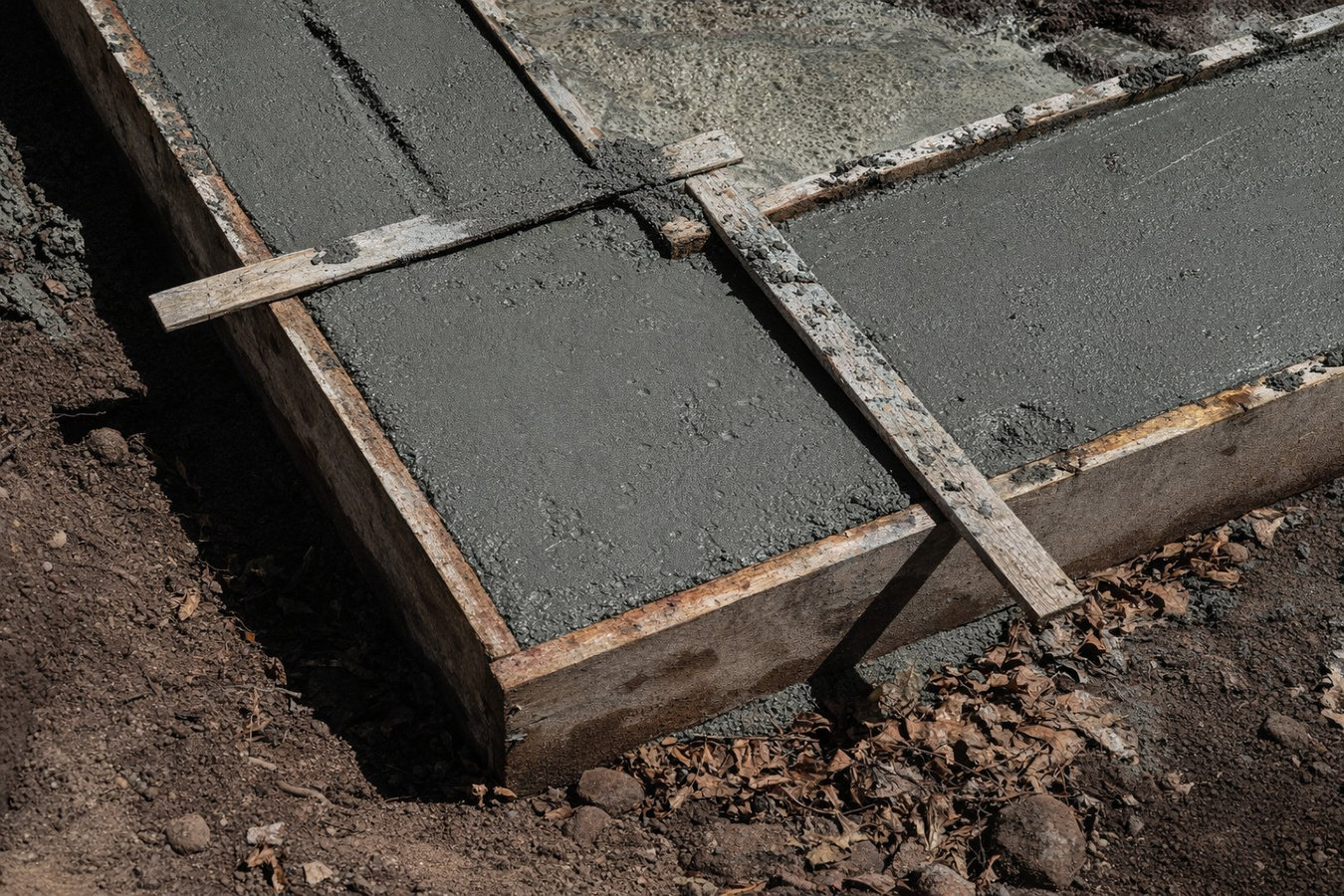
New slab foundations built for Normal winters and clay soils - proper depth, steel reinforcement, and a vapor barrier on every project.
Slab foundation building in Normal means leveling and compacting the ground, laying gravel and a vapor barrier, placing steel reinforcement, and pouring concrete in a single continuous layer - most residential slabs take two to four days to form and pour, plus a week or more of curing before framing can begin.
A slab is the starting point for everything above it. If the ground prep is rushed or the footing depth is wrong for Normal's frost line, the concrete will move - and so will the structure sitting on top of it. That is why soil conditions, drainage, and the permit process are all part of the conversation before a single truck is scheduled. When your project also calls for structural support beneath a wall or column, we coordinate the slab work with concrete footings so the full load path is engineered from the start.
Small surface cracks are common and often cosmetic. Cracks wider than a quarter inch, especially diagonal ones or cracks where one side sits higher than the other, suggest the slab is moving or settling unevenly. In Normal's clay-heavy soil, this kind of movement is more common than in sandier regions and warrants a professional look.
When a slab shifts, the frame of the house above it shifts too. If doors that used to swing freely are now dragging, or windows that opened easily now stick, the cause may be below the floor rather than in the door or frame. This is especially common in older Normal homes built on clay soil that has been through many wet-dry cycles.
If water consistently pools against your home's base after heavy rain rather than draining away, it is putting pressure on the concrete from the outside. Central Illinois springs bring heavy rainfall, and over time that moisture can work its way under or through the slab. Persistent pooling is worth a contractor evaluation before it causes interior damage.
The most straightforward case is a new construction project where the site is currently bare soil. A slab foundation is often the right choice for a new home, addition, or garage in Normal. A site visit lets us confirm whether a slab suits your lot conditions and what the design will need for soil and drainage.
We handle the full scope of residential slab foundation work - from initial site grading and soil assessment through the pour and finish, permit coordination, and the Town of Normal inspection process. Every slab we build includes a compacted gravel base, a polyethylene vapor barrier, and steel reinforcement placed before the pour. The thickened edge footings - the sections that carry the actual weight of your walls - are designed to reach below Normal's frost line so the ground freezing and thawing each winter does not push the foundation out of position. For projects that go beyond a basic slab, we also work with foundation installation that includes basement walls or crawl spaces when the design calls for it.
After the pour, we protect the slab during the curing window - using curing blankets when needed to guard against temperature swings - and stay on-site until the surface is finished and the inspector has signed off. When structural support points are part of the design, we tie the slab into concrete footings so isolated load-bearing points are handled correctly. Every project is permitted before work begins - no shortcuts, no skipped inspections.
The right starting point for a new home, garage, or accessory structure on a Normal lot - engineered for local soil and frost conditions.
Suitable for room additions, workshops, and detached garages where a properly prepared concrete floor also serves as the structural base.
For existing slabs that have shifted, cracked severely, or deteriorated beyond patching - a full replacement on correctly prepped ground.
A monolithic design where the slab and thickened-edge footings are poured together, common for residential builds on stable, well-drained sites.
Normal sits in McLean County, where the native soil is predominantly heavy clay left behind by glaciers. Clay holds water and expands when wet, then shrinks and pulls away when it dries out. That cycle repeats every wet and dry season, and it puts stress on concrete from below in ways that lighter soils simply do not. On top of that, the frost depth in this part of Illinois can reach around 36 inches, which means the thickened edge footings on every slab need to be designed with that in mind - not assumed from a generic specification. Normal also sees its heaviest rainfall in April and May, so scheduling and curing protection matter more here than in drier climates. The Portland Cement Association publishes guidance on residential foundation design that reflects these kinds of regional considerations.
We work with homeowners across the Normal area, including those in Bloomington and out toward Champaign. Whether you are building new in one of Normal's newer north-side subdivisions or replacing a deteriorated slab near the Illinois State University campus, the soil conditions and climate are the same - and our approach accounts for both.
We schedule a visit to your property before quoting anything. We look at the size of the area, soil conditions, and access - things that affect both price and approach. You will have the estimate in writing within one business day of the visit.
Once you approve the estimate, we apply for the required building permit from the Town of Normal. Permit processing typically takes a few days to a couple of weeks. We handle all the paperwork - you just need to confirm your timeline.
The crew excavates and levels the area, compacts the base, and installs the gravel layer, vapor barrier, and rebar before the concrete trucks arrive. The pour itself is typically a single full day for a standard residential slab, with finishing done before the crew leaves.
We protect the slab during the curing period and schedule the Town of Normal inspection before the project is closed out. Once it passes, you receive the inspection documentation - keep it with your home records.
Free site visit. Written estimate within one business day. No obligation.
(309) 791-9230Every slab we build in Normal has thickened edge footings reaching below the local frost depth. This is not a generic number - it reflects the freeze-thaw reality of central Illinois winters, and it is the difference between a slab that stays flat and one that heaves.
We pull the required building permit before any work begins and coordinate the inspection with the Town of Normal. You end up with documented, inspected concrete - which protects you now and matters if you ever sell or refinance.
Normal's glacial clay expands and contracts with every wet and dry cycle. Our bids include the gravel base, vapor barrier, and drainage measures that clay soil demands - not as add-ons, but as part of what a properly built slab requires here.
A pour is only as good as the curing that follows it. We use curing blankets and monitor weather forecasts during the critical first week so a cold snap or heavy rain does not compromise the surface. The American Concrete Institute sets the industry standard for curing practices - we follow them on every job.
Every one of these points reflects how slab work actually needs to be done in Normal, IL - not how it might be done somewhere with sandier soil and milder winters. That local knowledge is what we bring to every project.
Full foundation work including basement walls, crawl spaces, and waterproofing when your project requires more than a slab.
Learn moreIsolated footings for load-bearing columns, posts, and walls that need structural support points below the frost line.
Learn moreSpring and summer slots fill fast - reach out now to get on the schedule before the best pour weather is gone.